There is something undeniably magnetic about the ‘smush-faced’ charm of a French Bulldog, the dignified grumpiness of an English Bulldog, or the soulful, bulging eyes of a Pug. As an exotic pet enthusiast and long-time dog lover, I have spent countless hours observing these breeds. Their endearing waddles and those signature snorts have propelled them to the top of the popularity charts—with Frenchies recently taking the crown as the most popular breed in the United States. However, that adorable anatomy comes with a complex set of biological trade-offs. The very physical traits we find so ‘cute’—the shortened skulls and compressed features—create a unique set of physiological challenges, particularly when it comes to their ears. Managing middle ear problems in flat-faced dog breeds isn’t just about occasional cleaning; it is about understanding a delicate architectural puzzle where every piece is slightly out of place.
Understanding the Brachycephalic Anatomy: Why the Ears Suffer
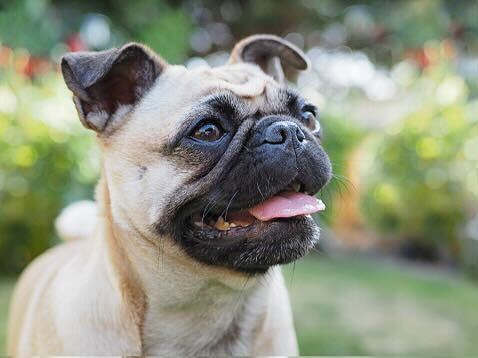
The term brachycephalic literally translates to ‘short-headed.’ While this gives these dogs their flat, human-like faces, it also means that the internal structures of the head are crowded together. Imagine trying to fit the same amount of ‘machinery’ found in a Golden Retriever’s head into a space half that size. In brachycephalic breeds like Boxers, Shih Tzus, and Bulldogs, the ear canals are often significantly narrower and more tapered than those of their long-snouted cousins.
Dr. Christina Gentry, a clinical assistant professor at the Texas A&M College of Veterinary Medicine & Biomedical Sciences, points out that this tapered shape is a primary catalyst for trouble. Because the canal narrows at the bottom, it becomes a natural trap for bacteria, debris, and ear wax. In a dog with a standard head shape, air circulates more freely, and wax can migrate out. In a smush-faced dog, that wax is often locked in, creating a warm, moist breeding ground for infection. When this bacteria builds up, it doesn’t just stay in the outer ear; it can actually rupture the eardrum and invade the middle ear cavity.
The Proximity Problem: Proximity to the Brain
One of the most sobering realities of middle ear disease in these breeds is how close the infection sits to the central nervous system. Because of the rounded head shape and the compression of the skull, the middle ear cavity is positioned dangerously close to the brain. If an infection is left untreated, the risk of it spreading beyond the ear is a very real veterinary concern. This is why understanding complications that can arise from delayed pet visits is so vital for owners of flat-faced breeds. What looks like a simple ‘itchy ear’ can quickly escalate into a neurological emergency.
The Silent Threat: Middle Ear Effusion (MEE)
While infections are common, there is another, more insidious condition known as Middle Ear Effusion (MEE), or sometimes referred to as Primary Secretory Otitis Media (PSOM). This is essentially an accumulation of fluid within the middle ear cavity, and it is particularly prevalent in Cavalier King Charles Spaniels and various bulldog breeds.
Under normal circumstances, the Eustachian tube acts as a drainage and pressure-equalization system for the middle ear. However, in brachycephalic dogs, the Eustachian tube is often distorted or becomes easily blocked due to respiratory infections or general inflammation from Brachycephalic Obstructive Airway Syndrome (BOAS). When the tube is closed, the small amount of fluid naturally produced by the middle ear lining has nowhere to go. It builds up, becomes thick and ‘glue-like,’ and creates immense pressure. This doesn’t always start with an external ‘infection’ you can smell or see, making it much harder for the average owner to detect until the dog is in significant discomfort.
Recognizing the Red Flags: Symptoms You Can’t Ignore
Because dogs are masters at hiding chronic pain, owners must be vigilant. Middle ear problems often manifest through the nervous system because several critical nerves—including the facial nerve and the vestibular nerve—travel right alongside the ear cavity. When these are compressed or inflamed, the symptoms can be alarming.
- Nausea and Dizziness: If your dog seems suddenly reluctant to jump on the sofa or appears ‘seasick’ after a walk, it could be a vestibular issue stemming from the middle ear.
- Abnormal Head Tilt: Even a slight, persistent tilt to one side is a major red flag that the equilibrium in the middle ear is compromised.
- Facial Drooping: You might notice one side of the lip sagging or an inability to move an ear.
- Loss of the Blink Reflex: This is perhaps the most dangerous symptom. If the facial nerve is affected, the dog may lose the ability to blink properly.
As Dr. Gentry notes, the inability to blink leads to severe eye ulcers. Without the protective moisture provided by blinking, the cornea dries out and becomes damaged. In extreme cases, dogs have lost their eyes entirely because a ‘simple’ ear problem prevented them from protecting their sight. This highlights the need for the vital role of specialized veterinary knowledge, as a vet must look at the whole head, not just the ear canal.
Diagnostic Challenges and Modern Solutions
Diagnosing middle ear issues in flat-faced dogs isn’t always as simple as looking down the ear with an otoscope. Often, the canal is so narrow or swollen that the vet can’t even see the eardrum. In these cases, advanced imaging is the gold standard. CT scans and MRIs are frequently used to visualize the fluid or bone changes within the tympanic bulla (the bony part of the middle ear).
Treatment usually begins with aggressive medical management, including systemic antibiotics, anti-inflammatories, and specialized ear flushes. However, if the middle ear is packed with ‘glue’ or the infection has become chronic, surgery may be the only path forward. A Total Ear Canal Ablation (TECA) with a Lateral Bulla Osteotomy (LBO) might sound frightening, but for a dog in chronic pain, it can be life-changing. While the dog will lose their ear canal, most of these pets already have significantly diminished hearing, and removing the source of constant infection allows them to live a much happier, pain-free life.
People Also Ask: Common Questions About Brachycephalic Ear Health
Can I prevent these ear problems with regular cleaning?
While regular cleaning is helpful, you must be careful. Because of the tapered shape of the canal, aggressive cleaning with cotton swabs can actually push bacteria deeper and potentially rupture a fragile eardrum. Always use a veterinarian-approved liquid cleanser and a gentle ‘massage and wipe’ technique.
Do all flat-faced dogs get ear infections?
Not all, but they are at a significantly higher risk. Environmental allergies, which are also common in these breeds, can exacerbate the inflammation in the ear canal, making infections more likely.
Will my dog go deaf if they have middle ear disease?
Middle ear issues can cause ‘conductive’ hearing loss, where sound can’t travel through the fluid or debris. While some hearing might be lost, many dogs adapt incredibly well using their other senses, and a pain-free life is always the priority over perfect hearing.
Expert Verdict: The Path Forward for Owners
Owning a brachycephalic breed is a rewarding experience, but it requires an ‘eyes wide open’ approach to their health. You aren’t just a pet owner; you are a guardian of a complex biological system that needs extra help to function correctly. The most important thing you can do is act early. A slight head tilt or a subtle change in how they blink isn’t just a ‘quirk’—it is a signal for help. By staying proactive, you can ensure that your ‘smush-faced’ friend enjoys a life of comfort and vitality.
Final Thoughts and Actionable Steps
To keep your flat-faced companion in top shape, consistency is key. Focus on how to provide comfort for your pet by maintaining a clean, allergen-minimized environment and performing weekly ear ‘sniff tests.’ If you smell anything yeasty or see your dog scratching excessively, skip the home remedies and head straight to the clinic. Early intervention is the difference between a simple course of drops and a major surgical procedure. With the right care, your Frenchie or Pug can spend less time at the vet and more time doing what they do best: being the life of the party.


