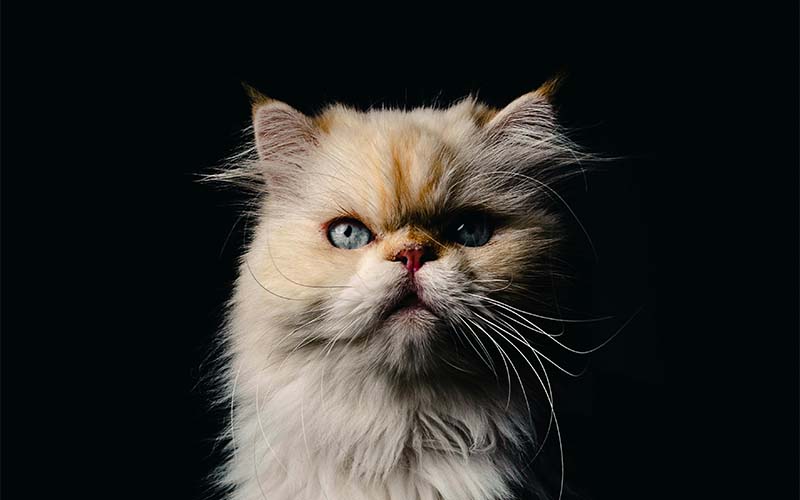
With their regal silhouettes, flowing manes, and soulful, wide-set eyes, the Persian cat is perhaps the most recognizable breed in the world. Often described as the “supermodel” of the feline kingdom, these cats possess an aura of timeless elegance that has captivated humans for centuries. Beyond their undeniable aesthetic appeal, Persians are celebrated for their exceptionally calm, affectionate, and low-maintenance personality. They are the quintessential lap cats, preferring the soft cushion of a sofa over the high-stakes climbing adventures sought by more active breeds. However, welcoming a Persian into your home is not a decision to be made solely on looks; it requires a deep commitment to their unique grooming and health needs.
As of 2024, the Persian cat remains a top-tier favorite among cat enthusiasts globally, frequently ranking in the top five most popular breeds according to the Cat Fanciers’ Association (CFA). Their presence in popular culture—from cinematic villains to luxury lifestyle advertisements—has cemented their status as symbols of comfort and sophistication. But what lies beneath all that fur? In this comprehensive guide, we will explore the rich history, the distinct personality traits, and the essential care requirements necessary to ensure your Persian companion thrives for nearly two decades of life.
The Ancient Origins: From the Silk Road to the Royal Court
The exact genesis of the Persian cat is shrouded in the mists of history, though genomic research points strongly toward the Middle East. It is widely believed that these long-haired beauties originated in Persia (modern-day Iran) and surrounding mountainous regions, where their thick coats served as protection against the harsh climate. Historical records suggest that Italian traveler Pietro della Valle first introduced these “furred wonders” to Europe in 1626 after discovering them during his travels along the Silk Road. By the early 1800s, Persian cats had become a staple of the European aristocracy, often appearing in the courts of France and England.
During the Victorian era, the breed underwent significant refinement. Breeders crossed the original Persian lines with other long-haired varieties, such as the Turkish Angora, to achieve a fuller body, a silkier coat texture, and more pronounced facial features. Interestingly, Queen Victoria herself was a known admirer of the breed, which helped propel the Persian’s popularity across the British Empire. By the year 1900, the Persian had crossed the Atlantic to the United States, where it quickly became a sensation. Over the last century, selective breeding has resulted in two distinct looks: the traditional “doll-face” Persian, which retains a more prominent muzzle, and the “Peke-face” or ultra-typed Persian, which features the flatter facial structure common in modern show rings.
Defining the Physical Masterpiece: Appearance and Texture
A Persian cat is a study in roundness and sturdy construction. They are medium-to-large cats, typically weighing between 7 and 12 pounds, though their massive coats often make them appear much larger than they actually are. Their bodies are “cobby”—a term used to describe a short, thick-set frame with heavy bone structure. Their legs are short and thick, supporting a broad chest and a short, well-proportioned tail that they carry low.
The hallmark of the breed is, of course, the coat. It is long, dense, and stands away from the body, giving the cat a cloud-like appearance. Interestingly, there are two primary coat textures found in the breed: silky and cottony. Silky coats, often found in black and red Persians, are easier to manage as they resist matting slightly better. Cottony coats, prevalent in blue and cream varieties, are softer to the touch but require significantly more effort to keep tangle-free. To maintain their glorious fur, you should learn how to keep your cat’s coat healthy and minimize hairballs to prevent painful matting and digestive distress.
The Zen Personality: A Temperament of Quiet Affection
If you are looking for a cat that will perform acrobatics on top of your refrigerator, the Persian is likely not the breed for you. Known as the “furniture with fur,” Persians are famously low-energy and peaceful. They communicate through soft, melodious voices and expressive, large eyes, rarely becoming demanding or intrusive. They are creatures of habit who thrive in stable, predictable environments. A busy household with shouting children and constant movement may overwhelm a Persian, though they can adapt if given a quiet retreat.
Despite their somewhat aloof appearance, they are deeply affectionate with their chosen humans. They enjoy being groomed, petted, and held, making them excellent companions for those who live a sedentary lifestyle. If you already have a dog, the Persian’s calm nature makes keeping a cat and a Labrador puppy together much easier than with higher-energy breeds, provided the introductions are handled with patience and care. Their “laid-back” attitude allows them to coexist peacefully with other pets, as they are rarely territorial or aggressive.
Navigating Health Concerns: What Every Owner Must Know
While Persians can live up to 20 years, their unique physiology makes them susceptible to specific genetic conditions. Polycystic Kidney Disease (PKD) is a primary concern. This inherited condition causes cysts to form on the kidneys from birth, potentially leading to renal failure later in life. Responsible breeders now use DNA testing to screen their breeding cats, which has significantly reduced the prevalence of PKD in modern lines. It is estimated that prior to widespread testing, up to 38% of Persians carried the gene.
Because Persians are brachycephalic (flat-faced), they can suffer from respiratory and ocular issues. Their shortened tear ducts often lead to excessive tearing, which can cause reddish-brown staining on the face and even skin infections if not wiped daily. Furthermore, their facial structure can make them sensitive to heat and humidity, as they cannot cool themselves through breathing as efficiently as cats with longer muzzles. Maintaining a healthy weight is crucial; obesity can exacerbate breathing difficulties and put unnecessary strain on their joints. While they require maintenance, their low energy levels mean they are often cited as one of the best cat breeds for busy students who prefer a quiet study companion that doesn’t demand hours of interactive play.
Daily Rituals: Grooming and Nutrition
Owning a Persian is a commitment to the art of grooming. Without daily brushing using a high-quality metal comb, their fur will inevitably form mats that can pull painfully on the skin. Many owners choose to have their Persians professionally groomed every 6-8 weeks, sometimes opting for a “lion cut” in the summer months to keep the cat cool and manageable. Beyond the fur, dental hygiene is paramount. Their crowded teeth are prone to plaque buildup, so regular veterinary dental cleanings and at-home tooth brushing are highly recommended.
Dietary needs for Persians should focus on high-quality protein and weight management. Since they are less active than many breeds, they can easily become overweight. Using a puzzle feeder or scheduled mealtimes rather than free-feeding can help regulate their caloric intake. Additionally, providing a shallow water fountain can encourage hydration, which is vital for kidney health, without getting their facial “ruff” wet and messy.
Expert Review: The Verdict on the Persian Cat
Experts agree that the Persian cat is a “specialist” breed. They are not for the owner who wants a “set-it-and-forget-it” pet. However, for the dedicated individual who finds therapy in the daily ritual of grooming and who values a peaceful, loving presence in their home, there is no substitute for the Persian. Their loyalty is quiet but profound, and their ability to transform a house into a home is unmatched by almost any other breed.
Frequently Asked Questions (FAQ)
- How much do Persian cats shed? Persians are heavy shedders due to their thick double coats. However, daily brushing catches most of the loose hair before it ends up on your furniture.
- Are Persian cats high maintenance? Yes, primarily in terms of grooming and health monitoring. They require daily eye cleaning and fur maintenance to stay healthy.
- Can Persian cats be left alone? While they are independent, they prefer companionship. They can handle a standard workday alone, but they may become lonely or stressed if left for extended periods.
- Why do Persian cats have flat faces? This is the result of selective breeding for a specific aesthetic. While it gives them their iconic look, it requires owners to be vigilant about their respiratory health.
- What is the average lifespan of a Persian cat? With proper indoor care, a high-quality diet, and regular veterinary checkups, most Persians live between 12 and 17 years, with some reaching age 20.
Conclusion
The Persian cat is much more than a beautiful face; it is a breed with a storied history and a gentle soul. While the grooming requirements are undeniably intensive, the reward is a devoted, serene companion that brings a touch of royal luxury to every day. By understanding their genetic predispositions and committing to their physical upkeep, you can ensure that your Persian remains a healthy, happy member of your family for many years to come. Whether you are a student looking for a quiet study buddy or a family seeking a mellow feline friend, the Persian cat remains a superlative choice for those who appreciate the finer things in life.


