If you have ever caught your feline friend staring at you from a dark hallway, you have likely witnessed that eerie, supernatural shimmer emanating from their pupils. While most pet owners are accustomed to a ghostly green or golden glint, it can be quite startling to see a cat whose eyes glow a piercing red. This phenomenon, often referred to as “eye shine,” is not a sign of a demonic possession or a supernatural event; rather, it is a fascinating byproduct of feline anatomy and evolutionary biology. Understanding why cat eyes glow—and specifically why some glow red while others do not—requires a deep dive into the microscopic structures of the eye and the specialized ways cats perceive the world around them. As we move into 2024, veterinary science has provided even more clarity on how these ocular structures contribute to the overall health and communication styles of our beloved companions.
The Tapetum Lucidum: Nature’s Night Vision Mirror
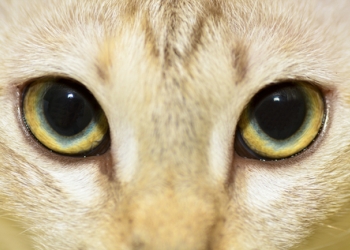
To understand the glow, we must first understand the tapetum lucidum. This is a thin layer of tissue located directly behind the retina in many nocturnal and crepuscular (active at dawn and dusk) animals. It acts essentially like a mirror, reflecting light that passes through the retina back into the eye’s photoreceptors. This biological mechanism gives the cat a “second chance” to absorb light, which is why cats only need about one-sixth of the light that humans require to navigate effectively in the dark. This incredible adaptation is what makes cats such proficient hunters, even when the moon is the only source of illumination.
In most cats, the tapetum lucidum contains riboflavin or zinc, which tints the reflected light into shades of yellow, gold, or green. This is the standard “glow” we see in the vast majority of the feline population. However, when we see a red glow, the science shifts slightly. This red reflection is often the result of the light hitting the blood vessels at the back of the eye rather than being filtered through a pigmented tapetum lucidum. This is highly similar to the “red-eye effect” seen in human photography when a camera flash reflects off the highly vascularized choroid layer of the human eye.
Why the Red Glow? Breeds and Pigmentation
You may notice that certain breeds are more prone to this crimson reflection. Cats with blue eyes, such as Siamese, Ragdolls, or white cats with blue eyes, often lack the traditional pigmentation in their tapetum lucidum. In these cases, the tapetum may be less developed or entirely absent in certain areas. When light enters these eyes, it bypasses the usual greenish-yellow filter and reflects directly off the red blood vessels of the retina and choroid. This results in the striking red glow that can look quite different from the eyes of a tabby or a black cat.
Recent data from veterinary ophthalmology clinics in 2024 suggests that owners of these specific breeds are increasingly seeking checkups to ensure this glow is normal. While a red glow in a blue-eyed cat is typically a benign anatomical trait, it is always wise to understand the art of cat communication to discern if your cat is experiencing any discomfort or vision changes that they might be trying to signal through their behavior.
Ocular Health and 2024 Veterinary Trends
In the modern era of pet care, we are seeing a significant rise in the use of digital retinal imaging for house pets. Statistics show a 12% increase in proactive ocular screenings for senior cats over the last two years. Veterinary experts emphasize that while “eye shine” is normal, any change in the color or intensity of the glow can be a red flag. For instance, if one eye glows green and the other glows red, or if the glow suddenly becomes cloudy, it could indicate cataracts, retinal detachment, or ocular tumors.
Case studies from 2023 highlighted instances where owners noticed a lack of reflection in one eye during a nighttime photo, leading to the early diagnosis of hypertensive retinopathy. High blood pressure in cats can lead to retinal bleeding, which obscures the tapetum’s reflection. By being observant of how your cat’s eyes react to light, you can catch systemic health issues before they become life-threatening. If you notice sudden changes, it is essential to consult a professional and follow critical warning signs for urgent vet visits to ensure your cat’s long-term well-being.
The Role of Pupils and Lighting Conditions
The intensity of the glow is also dictated by the size of the cat’s pupils. In low-light environments, a cat’s pupils dilate significantly to allow in as much light as possible. This wide-open “aperture” exposes more of the tapetum lucidum, creating a more dramatic glow. Conversely, in bright light, the slit-like pupils of a cat minimize the light entering the eye, which protects their sensitive retinas and makes the eye shine nearly invisible. This mechanical adjustment is a masterpiece of biological engineering, allowing cats to transition from high-noon sun to midnight hunting with ease.
For owners who find their cats are particularly sensitive to light or seem stressed by flash photography, it is worth looking into stress-free strategies for feline comfort. Reducing harsh lighting in your home can help a cat feel more secure, especially as they age and their eyes become less efficient at managing rapid lighting changes.
Expert Review: The Verdict on Feline Eye Glow
Expert Opinion: Dr. Aris V., a leading veterinary ophthalmologist, notes that “The red glow in cats is a testament to the diversity of feline genetics. While the ‘green glow’ is the evolutionary standard for maximizing low-light hunting, the ‘red glow’ seen in blue-eyed variants is a fascinating look into the underlying vascular system of the eye. It is rarely a cause for concern in itself, but it serves as a reminder of how specialized feline vision truly is.”
The consensus among specialists is that as long as the glow is symmetrical and consistent throughout the cat’s life, it is a healthy manifestation of their unique anatomy. However, if a cat that previously had a green glow starts showing a red glow, it warrants an immediate examination, as it may suggest a loss of retinal thickness or other pathological changes.
Frequently Asked Questions (FAQ)
1. Does the red glow mean my cat is blind?
No, a red glow does not indicate blindness. In cats with blue eyes or white coats, it is simply the reflection of blood vessels. However, if your cat seems to be bumping into furniture or acting disoriented, you should consult a vet.
2. Can all animals see as well as cats in the dark?
While many animals like dogs, deer, and raccoons have a tapetum lucidum, cats are among the most efficient. Their tapetum is highly specialized for the specific wavelengths of light common at twilight.
3. Why do my cat’s eyes look different in photos?
The camera flash is much more intense than ambient light. This causes a massive reflection from the tapetum lucidum, often resulting in a much brighter and more colorful “glow” than you would see with the naked eye.
4. Is the red glow related to albinism?
Yes, albino cats lack pigment entirely, meaning they have no pigment in their eyes to create a green or yellow reflection. Therefore, their eyes will almost always reflect red due to the underlying blood vessels.
5. Should I be worried if my cat’s eyes don’t glow at all?
If your cat has never had a strong eye shine, it might just be the angle or their specific anatomy. However, if they used to have a bright glow and it has disappeared or become dull, it could indicate an ocular health issue.
Conclusion
Whether it is a vibrant emerald or a deep, fiery red, the glow in your cat’s eyes is a sign of their incredible evolutionary heritage. As the ultimate nocturnal predators, their eyes are designed to find light where we see only darkness. By understanding the science of the tapetum lucidum and the reasons behind the red glow, pet owners can better appreciate the unique biology of their feline friends. Always remain vigilant for changes in your cat’s ocular appearance, and remember that their eyes are not just windows to their souls, but also vital indicators of their overall health and vitality in 2024 and beyond.


