When you first encounter the Colorpoint Shorthair, you might think you are looking at a Siamese cat. With their strikingly blue eyes, slender silhouettes, and pointed coat patterns, the resemblance is uncanny. However, any devotee of this unique breed will tell you that the Colorpoint Shorthair is a feline in a class of its own. Known for being the extroverts of the cat world, these animals are not just pets; they are dedicated companions who insist on being a part of every conversation and activity in your household. Their elegance is matched only by their high intelligence and deep emotional sensitivity, making them one of the most rewarding breeds for those who desire a high-interaction relationship with their feline friend.
The Origins and History: More Than Just a Siamese Relative
The Colorpoint Shorthair originated in the 1940s and 1950s when breeders in the United Kingdom and the United States sought to create a cat that possessed the sleek, svelte body of the Siamese but displayed a wider variety of colors. By crossing the traditional Siamese with the American Shorthair, breeders introduced the red and cream colors to the “pointed” pattern. While some registries still consider them a branch of the Siamese family, the Cat Fanciers’ Association (CFA) recognized the Colorpoint Shorthair as a distinct breed in 1964.
This historical branching was not without controversy among purists, but it ultimately resulted in a cat that boasts 16 different point colors beyond the four traditional Siamese colors (Seal, Chocolate, Blue, and Lilac). Today, the Colorpoint Shorthair is celebrated for its genetic diversity and the vibrant “lynx points” and “tortie points” that differentiate it from its ancestors. Their popularity has remained steady through 2024 as more owners seek out highly communicative and affectionate “velcro cats” that thrive on human interaction.
Physical Characteristics and Conformation
The Colorpoint Shorthair is the epitome of grace. Physically, they are medium-sized cats with a long, lithe, and muscular build. Males typically weigh between 8 and 12 pounds, while females are more delicate, usually ranging from 6 to 8 pounds. Despite their slender appearance, they are surprisingly heavy and strong when picked up, a testament to their refined muscle tone.
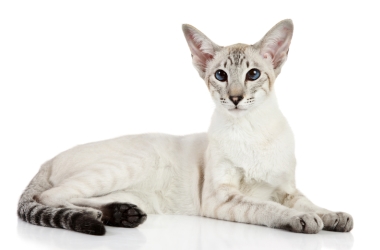
Their most defining feature is the “point” coloration. Their bodies are generally off-white or cream, while their ears, tail, face, and paws (the points) feature darker colors. These points can come in shades of red, cream, or различными tabby-like patterns known as lynx points. Their coat is very short, glossy, and lies close to the skin, emphasizing their athletic frame. Of course, one cannot forget their eyes—large, almond-shaped, and always a deep, vivid blue that seems to look right through you.
Personality: The Vocal Socialite
If you are looking for a quiet, independent cat that hides under the sofa, the Colorpoint Shorthair is not for you. These cats are famously noisy and demanding. They have a wide range of vocalizations and are not afraid to use them to tell you about their day, demand dinner, or complain about a closed door. To truly understand their needs, it helps to learn about the art of cat communication, as this breed uses their voice as their primary tool for bonding.
They are often described as “needy,” but it is more accurate to say they are deeply social. They crave physical contact and will often follow their owners from room to room. In a multi-pet household, they usually get along well with dogs and other cats, provided they are given enough attention. They are highly intelligent and can even be taught to play fetch or walk on a leash, making them a favorite for families who enjoy training their pets.
Health and Wellness: Protecting Your Companion
Like all breeds, the Colorpoint Shorthair is predisposed to certain health conditions. Data from insurance providers like Pets Best indicates that while they are generally hardy, they can inherit issues common to the Siamese lineage. These include amyloidosis (a disease that affects the liver), asthma, dental disease, and hypertrophic cardiomyopathy.
Regular veterinary checkups are essential for early detection. Maintaining a proper weight is also vital, as their slender frames are not designed to carry excess fat. To ensure your pet remains in top shape, consider implementing strategies for supporting cat wellness, such as high-quality protein diets and routine dental cleanings. Many owners in 2024 are opting for comprehensive pet insurance to mitigate the costs of potential chronic illnesses, which can range from $500 to $5,000 annually depending on the severity of the condition.
Grooming and Daily Care
The grooming needs of a Colorpoint Shorthair are remarkably low. Their short, fine hair does not mat easily, and a weekly brushing with a rubber curry comb is usually sufficient to remove loose fur and maintain that signature gloss. They are meticulous self-groomers, though they occasionally appreciate a warm bath if they get into something messy. However, hygiene in the home is just as important as grooming the cat. Because they are sensitive creatures, they prefer a clean environment; therefore, you might find it helpful to learn how to transition your cat to a natural litter that keeps their paws clean and the home smelling fresh.
Expert Review: Is This Breed Right for You?
Verdict: The Colorpoint Shorthair is an exceptional choice for active households, retirees who spend plenty of time at home, or anyone looking for a “soulmate” in feline form. Their high intelligence and vocal nature mean they require significant mental stimulation and emotional engagement. If you work 12-hour days and want a cat that is invisible, this breed will likely become stressed and destructive. However, if you want a loyal, affectionate, and entertaining partner who will sit on your lap the moment you sit down, the Colorpoint Shorthair is peerless.
Frequently Asked Questions
What is the difference between a Siamese and a Colorpoint Shorthair?
The primary difference is the coat color. Siamese cats are recognized in four traditional colors (seal, chocolate, blue, and lilac). Colorpoint Shorthairs include these but also incorporate 16 other colors and patterns like red, cream, and lynx points.
Are they hypoallergenic?
No cat is truly hypoallergenic. While the Colorpoint Shorthair has a short coat and sheds less than some long-haired breeds, they still produce the Fel d 1 protein in their saliva and skin, which is the primary cause of allergies.
How long do Colorpoint Shorthairs live?
With proper care, a nutritious diet, and regular vet visits, these cats typically live between 12 and 15 years, though some have been known to reach their late teens.
Do they get along with children?
Yes! Their playful and social nature makes them excellent companions for children who know how to handle animals with respect. They enjoy the extra playtime that kids often provide.
Conclusion
The Colorpoint Shorthair is a masterpiece of feline breeding, combining the exotic beauty of the East with a vibrant array of colors and a personality that is larger than life. While they demand your time and attention, the love and loyalty they return are immeasurable. By understanding their unique health needs and providing them with a stimulating environment, you can ensure your Colorpoint Shorthair remains a healthy and happy member of your family for years to come.


