Steeped in ancient folklore and celebrated for over a millennium in Japanese art and literature, the Japanese Bobtail is far more than just a feline with a short tail. Known as the inspiration for the ubiquitous Maneki-neko (the ‘beckoning cat’ found in shops worldwide), this breed carries a legacy of prosperity and good fortune. Beyond their mythological status, Japanese Bobtails are vibrant, intelligent, and highly interactive companions that have transitioned from the imperial palaces of the East to modern homes across the globe. As of 2024, they remain a sought-after breed for those seeking a cat with a ‘dog-like’ personality and a robust genetic makeup. Whether you are a first-time owner or a seasoned enthusiast, understanding the nuances of this distinguished breed is essential for providing the high-quality life they deserve.
The Distinguished Appearance of the Japanese Bobtail
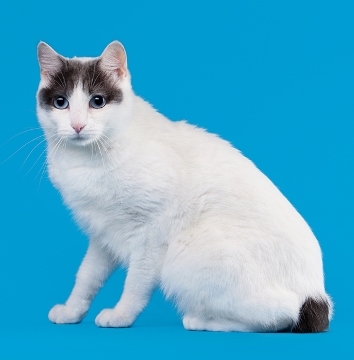
The most striking feature of the Japanese Bobtail is, without a doubt, its tail. Unlike the Manx, which is often completely tailless, the Japanese Bobtail possesses a short, visible tail that resembles a rabbit’s ‘pom-pom.’ Genetically, this tail is unique to the breed and is governed by a recessive gene; it is not associated with the spinal issues often seen in other short-tailed breeds. Each tail is as unique as a human fingerprint, consisting of various kinks, curves, and angles that are disguised by the fur, making it look fluffier than it actually is.
Physically, these cats possess a ‘foreign’ body type—lean, well-muscled, and long. Despite their delicate appearance, they are surprisingly heavy and strong, typically weighing between 6 and 9 pounds. Their hind legs are notably longer than their front legs, giving them a distinct ‘crouched’ stance and incredible jumping ability. Their heads form an equilateral triangle, complemented by large, upright ears and oval eyes that possess a truly ‘oriental’ cast. In terms of variety, they come in both short-haired and long-haired versions. The short-haired coat is silky and flat, while the long-haired variety features a soft, flowing coat with a low matting tendency, which makes transitioning to natural hygiene products and regular maintenance relatively simple for owners.
A Thousand Years of History: From Imperial Courts to Farmsteads
Historical records suggest that cats with short tails arrived in Japan from the Asian mainland as early as the 6th century. For centuries, they were the pampered favorites of the Japanese imperial family. Legend has it that the cats were so revered that they were once kept on leashes to prevent them from wandering. However, in 1602, the Japanese government decreed that all cats be set free to help combat a rodent crisis threatening the nation’s silk industry. This transformed the breed from a royal luxury to a working street cat, solidifying their reputation as excellent mousers.
It wasn’t until 1968 that the breed officially entered the Western world, when Elizabeth Freret imported the first three Japanese Bobtails to the United States. Since then, the breed has gained recognition from all major feline registries, including the CFA and TICA. In 2024, they continue to be celebrated for their Mi-Ke (pronounced ‘mee-kay’) pattern—the traditional tri-color of red, black, and white—which is still considered the luckiest color combination in Japanese culture.
The Japanese Bobtail Personality: Intelligent and Vocal
If you are looking for a sedentary ‘lap ornament,’ the Japanese Bobtail may not be the breed for you. These cats are famous for their high energy and ‘singing’ voices. They possess a wide range of vocalizations and often enjoy ‘conversing’ with their owners in soft, melodic tones. Understanding the art of cat communication is particularly rewarding with this breed, as they are very clear about expressing their needs and desires.
They are incredibly intelligent and thrive on mental stimulation. Many Japanese Bobtail owners report that their cats can easily learn to play fetch, walk on a leash, and even solve complex puzzle toys. They are also known for their affinity for water, often dipping their paws into bowls or watching faucets with intense curiosity. Because they are so social, they do best in households where they have company—either human or another feline friend. Their adaptable nature makes them excellent travelers and great companions for families with children and cat-friendly dogs.
Health, Wellness, and Longevity
One of the most appealing aspects of the Japanese Bobtail is its overall health. Unlike many purebred cats that suffer from a long list of hereditary conditions, the Japanese Bobtail is remarkably hardy. Because the ‘bobtail’ gene is not linked to skeletal deformities, they do not suffer from the ‘Manx syndrome’ or spinal problems. On average, a well-cared-for Japanese Bobtail can live between 15 and 18 years, with some even reaching their early 20s.
However, proactive care is still necessary. Maintaining a healthy weight is crucial, as their lean frames are not built to carry excess fat. To ensure your cat remains in peak condition, focus on strategies for supporting cat wellness, such as regular veterinary check-ups and a high-protein diet. Common feline issues like dental disease or hypertrophic cardiomyopathy (HCM) can occur, so annual screenings are recommended. Furthermore, because they are so active, they are occasionally prone to minor injuries from jumping or climbing, making pet insurance a wise consideration for many owners.
Grooming and Nutrition
Grooming requirements for the Japanese Bobtail are surprisingly low. Both the short-haired and long-haired varieties have a single coat with very little undercoat, which means shedding is minimal. A weekly brushing is usually sufficient to remove loose hairs and keep the coat silky. They are meticulous self-groomers, though an occasional bath may be necessary if they get into something messy.
In terms of nutrition, they require a diet rich in animal protein to support their high energy levels. Owners should look for high-quality wet or dry foods that list a specific meat as the first ingredient. Because they are so active, their caloric needs may be slightly higher than that of a more sedentary breed, but portion control remains vital to prevent obesity.
Expert Review: The Verdict on the Japanese Bobtail
According to veterinary experts and breed historians, the Japanese Bobtail represents the perfect balance of ancient resilience and modern domesticity. Their lack of major genetic health flaws makes them a ‘breath of fresh air’ in the world of pedigreed cats. Expert owners often describe them as ‘cat-dogs’ due to their loyalty and desire to be involved in every household activity. The consensus among professionals is that this breed is ideal for active families who can dedicate time to play and interaction. They are not recommended for owners who spend most of their day away from home, as their social nature can lead to boredom and destructive behavior if left isolated for too long.
Frequently Asked Questions (FAQ)
- Are Japanese Bobtails hypoallergenic? No, they are not hypoallergenic. While they have a single coat and shed less than many other breeds, they still produce the Fel d 1 protein in their saliva and skin, which is the primary cause of cat allergies.
- Do they get along with other pets? Yes! They are highly social and generally get along very well with other cats and dogs, provided they are introduced properly.
- How big do they get? They are medium-sized cats, typically weighing between 6 and 9 pounds, with males being slightly larger than females.
- Is the short tail painful for the cat? Not at all. The bobtail is a natural genetic trait that involves the vertebrae of the tail, but it does not affect the nerves or the spine in a way that causes discomfort.
- Can they be kept as indoor cats? Yes, they should primarily be kept indoors for their safety, but they will require plenty of vertical space (cat trees) and interactive toys to satisfy their high energy levels.
Conclusion
The Japanese Bobtail is a masterpiece of nature and history. From its unique ‘pom-pom’ tail to its melodious ‘singing’ voice, this breed offers a pet-owning experience unlike any other. They are loyal, intelligent, and physically robust, making them a joy to have in any home that values interaction and activity. By providing them with the right environment, nutrition, and love, you aren’t just owning a cat—you are carrying on a thousand-year tradition of luck and companionship.


