As feline companions have cemented their place as beloved family members, many owners are tempted to share their favorite snacks with their whiskered friends. However, while the bond between a cat and its owner is profound, their biology remains vastly different. Cats are obligate carnivores, meaning their bodies are evolutionarily designed to thrive strictly on animal protein. This unique metabolic makeup makes them highly susceptible to toxins that humans process with ease. Whether it is a curious nibble at a dropped onion or a lick of a chocolate bar, the consequences of feline food toxicity can range from mild gastrointestinal upset to fatal organ failure. Understanding these dietary boundaries is a critical component of responsible pet ownership. By recognizing the biological hazards present in common household staples, you can safeguard your pet from preventable emergencies and ensure they lead a long, healthy life. In this comprehensive guide, we delve into the science behind why certain human foods are lethal to cats and how to respond if an accident occurs.
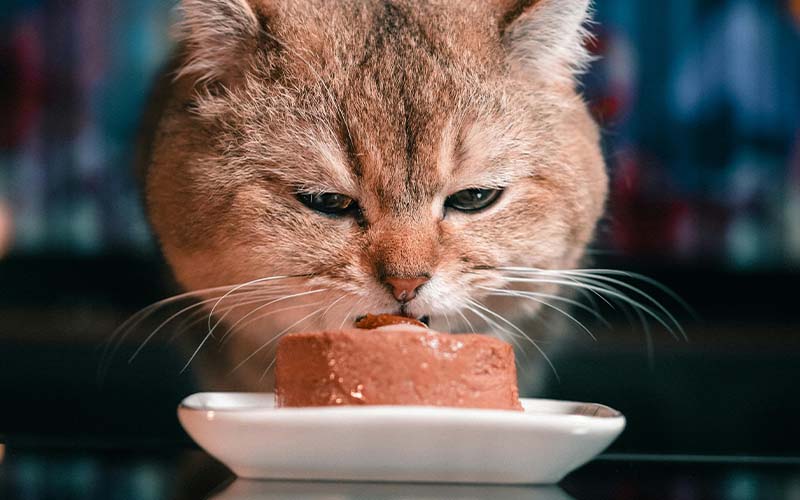
The Biological Reality: Why Cats Can't Eat Everything
Unlike humans or even dogs, cats lack certain metabolic pathways and enzymes required to break down specific chemical compounds. For instance, cats have a very low capacity for glucuronidation, a process used by the liver to detoxify many substances. This makes them significantly more sensitive to compounds like theobromine and essential oils found in human food. To keep your pet in peak condition, you should prioritize high-quality nutrition and essential food categories for cats that align with their predatory ancestors.
1. Chocolate and Caffeinated Beverages
While chocolate is a beloved treat for humans, it contains two methylxanthines: theobromine and caffeine. Cats are particularly sensitive to these stimulants. Ingestion can lead to chocolate toxicosis, which affects the central nervous system and the cardiovascular system. Symptoms often include hyperactivity, tremors, seizures, and a dangerously rapid heart rate. Darker chocolates and baking cocoa contain higher concentrations of these toxins, making even a small amount potentially lethal for a 10-pound feline.
2. Onions, Garlic, and the Allium Family
The Allium genus, which includes onions, garlic, shallots, leeks, and chives, represents one of the most significant threats in the kitchen. These plants contain N-propyl disulfide, which causes oxidative damage to a cat's red blood cells. Because cat hemoglobin is uniquely sensitive, this damage leads to the formation of Heinz bodies and eventually hemolytic anemia. Even cooked or powdered versions found in baby food or seasonings can trigger lethargy, pale gums, and dark-colored urine. Recent veterinary data suggests that as little as five grams of garlic per kilogram of body weight can result in clinically significant blood changes.
3. Alcohol and Ethanol Exposure
Alcohol is a potent neurotoxin for cats. Because of their small body mass, even a single teaspoon of whiskey or beer can cause significant ethanol poisoning. Symptoms mirror human intoxication—disorientation, vomiting, and lack of coordination—but quickly escalate to respiratory failure and coma. It is vital to keep all alcoholic beverages, including those in desserts or sauces, far out of reach of curious paws.
4. Raw Eggs, Meat, and Fish
The trend of raw feeding has gained popularity, but it carries substantial risks. Raw meat and eggs can harbor dangerous bacteria such as Salmonella and E. coli, which cause severe food poisoning. Additionally, raw egg whites contain an enzyme called avidin, which interferes with the absorption of biotin (Vitamin B7). A biotin deficiency can lead to significant skin and coat issues. To prevent cross-contamination in your home, you must properly store wet pet food and handle raw ingredients with clinical care.
5. Grapes and Raisins
For years, the toxicity of grapes and raisins was largely associated with dogs. However, updated research from 2023 and 2024 suggests that tartaric acid found in these fruits can also cause acute kidney failure in cats. While some cats may appear unaffected, the risk of sudden renal shutdown is too high to ignore. If your cat ingests even a single raisin, immediate veterinary consultation is recommended.
6. Dairy Products (The Lactose Myth)
The image of a cat lapping up a saucer of milk is a persistent cultural myth. In reality, most adult cats are lactose intolerant. They lack sufficient levels of the enzyme lactase required to digest the sugars in cow's milk. Consuming dairy can lead to painful bloating, gas, and severe diarrhea. While not immediately toxic like chocolate, it causes significant physical distress and can lead to dehydration.
7. Raw Yeast Dough
Before it is baked, bread dough is a double-threat. First, the warm environment of a cat's stomach causes the dough to rise, leading to gastric distension or even a ruptured stomach. Second, the fermentation process of the yeast produces ethanol, leading to the same alcohol poisoning mentioned previously. If you are a home baker, ensure your dough is proofing in an area inaccessible to your pets.
8. Bones and Fat Trimmings
While meat is central to a cat's diet, the scraps from your steak are not. Fat trimmings can trigger pancreatitis, a painful inflammation of the pancreas. Furthermore, cooked bones become brittle and can splinter, causing lacerations in the digestive tract or life-threatening obstructions. Always stick to vet-approved treats to maintain your cat's coat health and overall vitality.
9. Xylitol (Birch Sugar)
Xylitol is a common artificial sweetener found in sugar-free gum, candy, and some peanut butters. In many species, it triggers a massive insulin release, leading to hypoglycemia (dangerously low blood sugar) and potential liver failure. While cats appear slightly more resistant to xylitol than dogs, the veterinary consensus remains that it should be strictly avoided as a precaution.
Expert Review: The Veterinary Verdict
According to veterinary toxicology experts, the first 60 minutes after ingestion are the most critical. If you suspect your cat has eaten something toxic, do not wait for symptoms to appear. Clinical outcomes for feline poisoning have improved by 30% over the last decade due to faster owner response times and advanced supportive care, such as intravenous lipid emulsion therapy for fat-soluble toxins. Always keep the number of a 24-hour emergency clinic and a pet poison helpline visible in your home.
Frequently Asked Questions
- Can cats eat cooked tuna? Small amounts of canned tuna are generally safe as an occasional treat, but a diet consisting primarily of tuna can lead to mercury poisoning and malnutrition.
- What should I do if my cat eats an onion? Contact your vet immediately. They may induce vomiting or administer activated charcoal to prevent the absorption of toxins into the bloodstream.
- Is cat grass safe? Yes, cat grass (usually wheat or barley) is a safe way to satisfy a cat's urge to chew on greens without the risks associated with toxic houseplants or human vegetables.
- Are there any fruits cats can eat? Small pieces of deseeded watermelon, blueberries, or bananas are generally safe, though many cats lack the “sweet” taste receptors to enjoy them.
Conclusion
Protecting your feline friend from food-related hazards requires a combination of vigilance and education. By treating your kitchen as a potential minefield of toxins, you can create a safer environment for your pet. Remember that cats are masters at hiding pain; by the time they show outward signs of illness, internal damage may already be advanced. Investing in pet insurance and maintaining a strong relationship with your veterinarian are the best ways to prepare for the unexpected. Keep the human snacks on your plate and stick to high-quality feline nutrition to ensure your cat thrives for years to come.


