Since the global shift toward remote work became a permanent fixture of our professional lives, millions of employees have discovered the joys and pitfalls of the ‘feline coworker.’ While the dream of working from home often involves visions of a peaceful lap cat and a steaming cup of coffee, the reality is frequently more chaotic. Every cat owner knows who the real boss is at home—the cat, obviously. Navigating a high-stakes corporate presentation while a persistent feline decides to use your keyboard as a bed or your chair as a scratching post is a unique challenge that requires strategy, patience, and a bit of psychological warfare. However, the benefits of this arrangement are immense; according to 2023 workplace wellness data, pet owners who work from home report significantly lower stress levels and higher job satisfaction, provided they can manage their pet’s demands effectively.
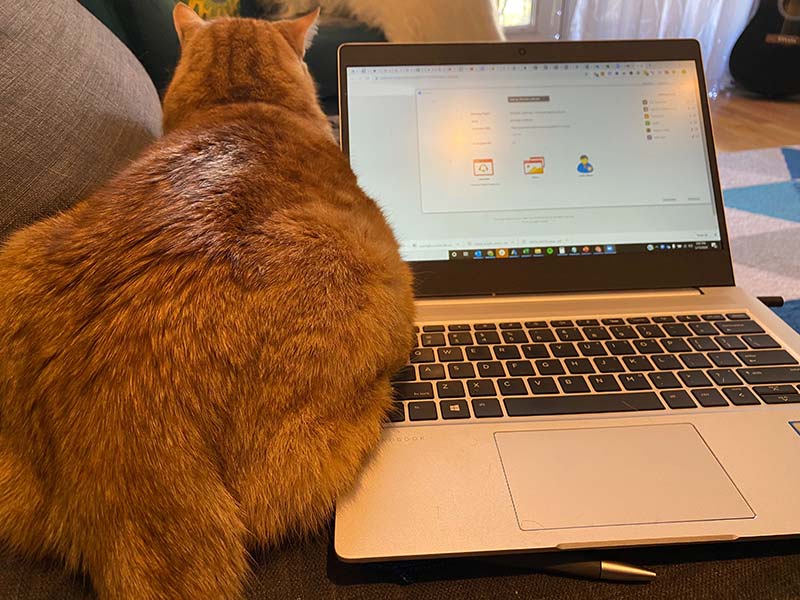
The fundamental conflict in a home office is a difference of perspective: while you see your home as a professional environment during business hours, your cat sees it as their undisputed kingdom where they are the primary focus of attention. For a cat used to being the ‘monarch of the palace,’ your sudden shift in focus toward a glowing screen can be confusing and even frustrating. To bridge this gap, you must proactively manage the environment to ensure your productivity remains high without neglecting your pet’s emotional and physical needs. By understanding the science of feline behavior and implementing modern enrichment techniques, you can transform your needy cat into the perfect, quiet office companion.
1. Establishing the ‘Office Boundary’ Without Conflict
Cats are territorial creatures that thrive on routine and access. They are naturally drawn to where you spend the most time, which is why your lap, your printer, and your laptop become prime real estate the moment you log in. Often, a cat will deliberately sit on the most inconvenient spot simply because it is the center of your attention. While this is endearing on a lazy Sunday, a needy cat that refuses to give you space during office hours can quickly become a liability for your focus and your equipment.
Instead of constantly pushing your cat away—which they may interpret as a form of interaction or a game—try setting up a dedicated ‘cat station’ within your visual range but outside of your immediate workspace. A high-quality perch, a heated bed, or a window hammock can satisfy their desire to be near you while keeping them off your desk. Pro tip: Many remote workers have found success with ‘decoy keyboards.’ Placing an old, unused laptop or keyboard near yours can trick a cat into thinking they are participating in your work activity. Before your workday begins, ensure all basic needs are met: fed, watered, and provided with a clean litter box. To further optimize your space, consider setting up a cat-friendly living space that integrates vertically, giving them high-ground vantage points to watch you work in peace.
2. Enrichment and the ‘Tire Them Out’ Strategy
A bored cat is a disruptive cat. If your feline friend is under-stimulated, you will quickly become the sole object of their attention. To prevent this, you must treat cat enrichment with the same professional rigor you apply to your task list. Experts suggest that a ‘hunt-eat-groom-sleep’ cycle is the most effective way to manage feline energy. By engaging in high-intensity play shortly before you need to focus, you can trigger their natural predatory instincts, leading to a satisfying meal and a long post-play nap.
Scheduled ‘cat breaks’ are essential for maintaining this balance. Cats respond incredibly well to consistency. If they know that 10:00 AM and 2:00 PM are designated play times, they are less likely to pester you at 11:30 AM. Use interactive toys, laser pointers, or feather wands during these windows. During your active work blocks, provide solo enrichment like puzzle feeders or automated toys that keep them busy without your direct involvement. Understanding the art of cat communication will help you distinguish between a cat that is bored and one that is genuinely distressed, allowing you to react appropriately without breaking your workflow.
3. Navigating Meetings and Professional Appearances
One of the most stressful aspects of working from home with a needy cat is the ‘Zoom cameo.’ Whether it is a loud, insistent meow during a budget review or a tail swiping across the camera during a client pitch, feline interruptions are a common hurdle. While the modern professional world has become more accepting of domestic distractions, you still want to maintain a level of decorum. For critical calls, try the ‘high-value treat’ method. Save a special snack or a new toy exclusively for your meeting times to keep your cat occupied in another room.
If your cat does make an appearance, don’t panic or get frustrated. Recent surveys suggest that 80% of managers feel that seeing a pet on a video call makes a coworker appear more ‘human’ and approachable. However, if your cat is consistently loud, you may need to investigate whether your work environment is causing them stress. Some cats thrive in a study environment, becoming the perfect ‘study buddy,’ while others find the noise of video calls agitating. You can read more about how feline presence impacts focus in our guide on whether your cat is helping or hurting your academic and professional success.
Expert Review and Verdict
Based on behavioral assessments from feline experts and the lived experiences of thousands of remote professionals in 2024, the verdict is clear: Working from home with a needy cat is entirely sustainable, provided you replace reactive frustration with proactive management. The key is not to ‘fix’ the cat’s neediness but to integrate it into your daily flow. By providing high-vantage perches, scheduled interaction, and mental stimulation, you fulfill their biological drives. This leads to a quieter, more satisfied pet and a significantly more productive owner. The ‘purr-fect’ workspace isn’t one without a cat; it’s one where the cat has its own ‘job’ of napping comfortably nearby.
Frequently Asked Questions
- Why is my cat more needy when I’m on the phone? Cats often interpret you talking aloud as you talking to them. Since you aren’t looking at them, they may meow louder to ‘respond’ or regain your attention.
- Can I train my cat to stay off my desk? Yes, using ‘positive redirection’ is key. Every time they jump on the desk, calmly move them to their designated perch and reward them with a treat when they stay there.
- Should I close my office door? For some cats, a closed door is a challenge that leads to scratching and yowling. Usually, it is better to provide a ‘decoy’ spot within the room than to shut them out entirely.
- Are there specific toys that are best for WFH owners? Puzzle feeders and ‘cat TV’ (videos of birds/squirrels) are excellent for long-term distraction during deep-work sessions.
Conclusion
Working from home with a cat is a privilege that offers companionship and stress relief in an often-demanding professional landscape. While the ‘needy’ behaviors can be distracting, they are ultimately a sign of your cat’s affection and desire for your presence. By implementing structured routines, providing environmental enrichment, and maintaining a sense of humor, you can create a harmonious home office. Remember to focus on the joy that your presence brings to your furry friend and the unique perk of having a purring colleague by your side throughout the workday. Be patient, stay consistent, and enjoy the many benefits of the remote-work life with your feline boss.


